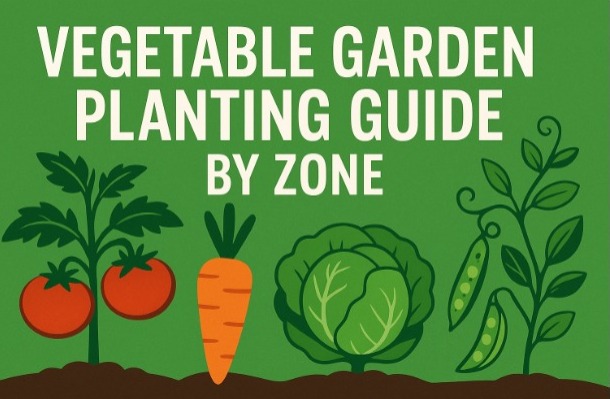
🌱 Vegetable Garden Planting Guide by Zone – What and When to Plant
Planning a successful vegetable garden starts with knowing what to plant and when to plant it. Every growing zone has different frost dates and climate conditions, which directly affect your harvest. In this detailed planting guide, we’ll explain how to use your planting zone to time your crops, what vegetables thrive best in each zone, and how a garden calculator can take the guesswork out of gardening.
🌍 What Are Planting Zones?
Planting zones, also known as USDA Hardiness Zones, divide regions based on their average minimum winter temperatures. They are essential for gardeners because they determine which vegetables will survive and thrive in your area. Knowing your planting zone ensures you choose crops suited to your climate and avoid wasted effort on plants that won’t grow well.
- Zones 3–4: Short growing season, cold winters.
- Zones 5–6: Moderate climates with balanced seasons.
- Zones 7–8: Long growing seasons, mild winters.
- Zones 9–10: Hot climates with nearly year-round planting potential.
Finding your zone is easy: you can check the USDA Plant Hardiness Zone Map or use a garden planning calculator for automatic recommendations.
❄️ Understanding Frost Dates
Frost dates are another crucial factor in your planting schedule. The last frost date in spring tells you when it’s safe to plant warm-season crops, while the first frost date in fall tells you how long your growing season lasts. Planting too early can stunt or kill seedlings, while planting too late may mean your vegetables don’t mature before the frost.
For example:
- In Zone 4, the last frost might be late May, limiting the growing window.
- In Zone 7, frost-free growing can last from March to November.
- In Zone 10, frost is rare, so gardening is possible year-round.
Using a planting calendar by zone helps align your crops with these frost dates for maximum yields.
🥕 Best Vegetables to Plant by Zone
Different vegetables thrive in different climates. Below you’ll find a breakdown of recommended vegetables by USDA zone and the ideal planting seasons.
Zone 3–4 (Cold Climates)
These zones face short summers and long winters, so gardeners should focus on fast-growing and cold-hardy vegetables.
- Spring: Lettuce, peas, spinach, carrots, radishes
- Summer: Beans, potatoes, beets, cabbage
- Fall: Kale, turnips, broccoli, Brussels sprouts
Zone 5–6 (Cool–Moderate Climates)
These are popular gardening zones with balanced growing seasons, allowing for a wide variety of crops.
- Spring: Broccoli, onions, lettuce, cabbage
- Summer: Tomatoes, cucumbers, peppers, corn
- Fall: Garlic, spinach, turnips, beets
Zone 7–8 (Mild Climates)
Longer growing seasons here allow for both warm-weather and cool-weather crops. Succession planting is especially useful.
- Spring: Tomatoes, beans, squash, peppers
- Summer: Sweet potatoes, melons, eggplant
- Fall/Winter: Carrots, spinach, kale, broccoli
Zone 9–10 (Warm Climates)
These zones are almost frost-free, which means year-round gardening is possible with proper irrigation and soil care.
- Spring: Cucumbers, tomatoes, peppers, eggplant
- Summer: Okra, watermelon, lima beans
- Year-Round: Leafy greens, herbs, radishes
📅 Vegetable Planting Calendar by Zone
One of the most common questions gardeners ask is: “When should I start planting vegetables in my zone?” The answer depends on frost dates and crop type. Use the table below as a general planting calendar by zone. Adjust based on your local climate and soil conditions for the best results.
| Zone | Last Spring Frost | First Fall Frost | Growing Season | Suggested Crops |
| 3–4 | Late May – Early June | Early September | 90–120 days | Lettuce, peas, carrots, kale |
| 5–6 | Late April – Early May | Mid October | 150–180 days | Tomatoes, peppers, broccoli, corn |
| 7–8 | March – Early April | Late October – November | 200–240 days | Beans, squash, melons, spinach |
| 9–10 | February – March | December (or no frost) | 280+ days | Okra, cucumbers, eggplant, herbs |
Pro tip: Always double-check your exact frost dates. A garden calculator can give you customized planting dates based on your zip code or location.
🌿 Companion Planting – Smarter Gardening
Not all vegetables grow well together. Some pairings improve growth and flavor, while others compete for nutrients or attract pests. This is where companion planting comes in handy.
Good Companion Planting Examples:
- Tomatoes + Basil: Basil repels pests and enhances tomato flavor.
- Carrots + Onions: Onions deter carrot flies naturally.
- Corn + Beans + Squash (Three Sisters): Beans add nitrogen, corn provides structure, squash shades soil.
Bad Companion Pairings to Avoid:
- Onions + Beans: Onions stunt bean growth.
- Potatoes + Tomatoes: Both attract blight and compete heavily.
- Cabbage + Strawberries: They hinder each other’s development.
By planning companions properly, you’ll improve yields while reducing the need for chemical pesticides or fertilizers.
🚫 Common Gardening Mistakes to Avoid
Even experienced gardeners sometimes run into problems. Avoid these mistakes to keep your garden thriving:
- Planting too early: Seeds planted before the last frost may fail to germinate.
- Overcrowding plants: Lack of spacing reduces airflow and invites disease.
- Ignoring soil health: Without compost or nutrients, plants struggle to produce.
- Not rotating crops: Growing the same vegetables in the same spot each year depletes soil nutrients.
- Forgetting succession planting: Planting everything at once means a harvest glut, followed by nothing.
Good planning and the use of tools like a garden planner can help avoid these common errors.
❓ Frequently Asked Questions About Vegetable Planting by Zone
🌻 Final Tips for Successful Gardening
- Plan ahead: Use a planting calendar or garden calculator to schedule your crops.
- Start small: It’s better to manage a small, thriving garden than a large, overwhelming one.
- Track your results: Keep a simple garden journal with planting dates, harvests, and notes.
- Experiment: Try new vegetables each season to learn what grows best in your soil and climate.
With a little planning and the right timing, anyone can enjoy fresh, homegrown vegetables straight from their backyard.
Learn How to Use Garden Calculator to Maximize Yield and Plant Value. We have covered it in detail for you.
✅ Conclusion: Take the Guesswork Out of Gardening
Every successful vegetable garden starts with knowing what to plant and when to plant it. By using your growing zone, frost dates, and the principles of companion planting, you can create a thriving garden full of healthy vegetables.
While planting guides and calendars are helpful, nothing beats a customized garden calculator. With just a few clicks, you’ll know the best planting times for your area, avoid costly mistakes, and enjoy a longer, more productive harvest season.
🌱 Try our Grow a Garden Calculator Now and start planning your perfect vegetable garden today!